
Cornell Notes: How They Work
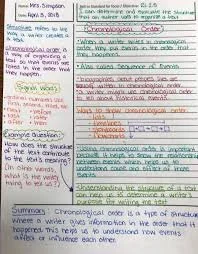
Cornell notes are a simple but powerful way of organising learning so that students can understand, remember and revise information more effectively. Instead of writing notes in one long block, the page is divided into clear sections: a main notes area, a cue or question column, and a summary box.
During a lesson or revision session, students write the key information in the main notes section. This might include important facts, explanations, examples, vocabulary, diagrams or key ideas. After the lesson, students use the cue column to write questions, prompts or keywords linked to the notes. This turns the page into a revision tool because students can cover the main notes and test themselves using the questions in the margin.
At the bottom of the page, students write a short summary of the most important learning. This helps them think carefully about what the lesson was really about and how the ideas connect together.
Cornell notes are helpful because they make note-taking more active. Students are not just copying information; they are organising it, questioning it and reviewing it. Used well, Cornell notes support memory, retrieval practice and independent revision because they help students return to their learning little and often. They are especially useful before tests and exams because they make it easier to identify key knowledge, check understanding and practise recalling information from memory.