
How Parents Can Help with Revision
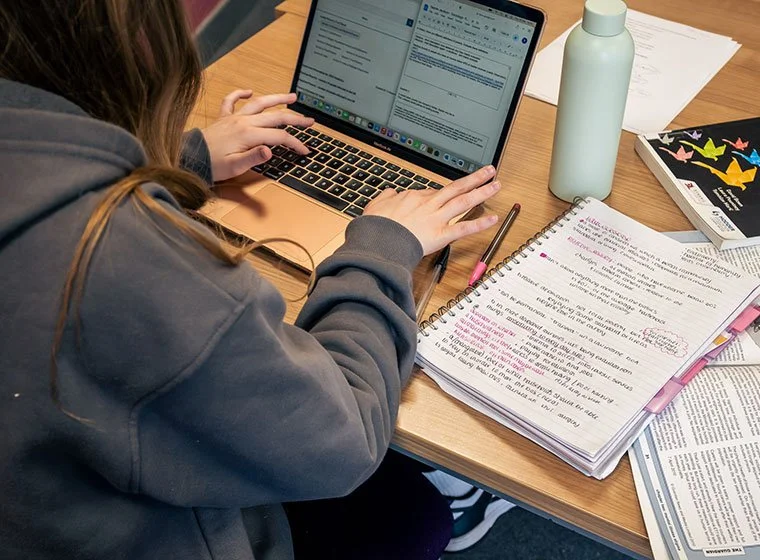
Parents play an important role in helping students revise effectively. This does not mean needing to know every subject or every exam answer. Often, the most helpful thing parents can do is provide structure, encouragement and calm support.
One of the best ways to help is by supporting a regular revision routine. Short, focused sessions are usually much more effective than long periods of last-minute cramming. Helping students plan when they will revise, what they will revise, and when they will take breaks can make revision feel more manageable and less overwhelming.
Parents can also encourage active revision. Simply rereading notes or highlighting large sections of text is rarely enough. Students learn more effectively when they test themselves, use flashcards, practise past questions, create mind maps, explain ideas aloud, and return to difficult topics more than once. Asking your child questions from their notes or flashcards can be a simple but powerful way to support this.

It is also helpful to create the right environment. A quiet space, reduced distractions, good sleep, regular food and time away from screens can all make a significant difference.
Most importantly, parents can help students stay positive. Revision can feel stressful, especially when exams are approaching. Encouragement, reassurance and praise for effort can help students build confidence and resilience. The aim is not perfection, but steady improvement over time.
Effective revision works best when it is planned, active and repeated. Parents can support this by helping students revise little and often, by encouraging them to test what they know, and by reminding them that forgetting is normal — revisiting learning is how knowledge becomes stronger.

Parents can also help by agreeing a clear plan for mobile phones during revision. Phones are designed to distract us, and even a quick notification can break concentration and make it harder to return to focused thinking. A simple routine can make a big difference: before revision begins, students can hand their phone to a parent, place it in another room, or agree a set time when they will check it again. This reduces temptation, protects attention and helps students make the most of short revision sessions. Phone-free revision is not about punishment; it is about giving the brain the quiet space it needs to think, remember and practise effectively.